Chu Culture
Introduction
Chu culture is an ancient Chinese cultural heritage that thrived over 2,000 years ago, predominantly in central China. It is recognized as one of the most critical and influential cultures that contributed to the formation of Chinese civilization.
The depth and richness of Chu culture are showcased through its literature, art, religious beliefs and philosophical contributions, which offer insight into the social and aesthetic values of the time. The legacy of Chu culture continues to inspire modern interpretations and adaptations.
Historical Background
The Chu State was established during the pre-Qin period, before 221 BC, and flourished particularly throughout the Spring and Autumn Period (770-476 BC) and the Warring States Period (475-221 BC). Originating from what is today central China, the state of Chu was one of the most powerful and expansive territories, often engaging with other states through both conflict and cultural exchanges.
The Chu culture reached its zenith during these centuries, with its capital established at Ying, in the area currently known as Jingzhou, Hubei province. This city served as the center of the state's administration and cultural activities, giving rise to a dynamic and sophisticated society renowned for its advancements in various fields including bronze smelting, silk weaving, literature and arts.
Geographical Region
Chu culture primarily flourished in the geographical region of Central China, encompassing the modern-day provinces of Hubei, Hunan, Anhui and parts of Jiangsu and Henan.
The region is characterized by its fertile plains and strategic waterways, which supported agricultural prosperity and facilitated trade and communication. These geographical factors contributed significantly to the development and spread of Chu culture, making it a vital cultural and economic hub in ancient China.
Key Characteristics
Chu culture is distinguished by its unique language and script, religious practices, mythology, and artistic expressions, which collectively reflect the distinct identity of the Chu people.
Religion and Mythology
Religion and mythology played a central role in Chu culture, deeply influencing its art, literature and societal values. The Chu people practiced a syncretic form of ancestor worship, nature deities and shamanistic rituals, which were vividly depicted in their mythology and rituals. Qu Yuan, a prominent poet from the Warring States Period (475-221 BC), is a notable figure whose works encapsulate the mythological and religious ethos of the Chu state.
Art and Architecture
Chu culture is celebrated for its artistic achievements, which are evident in its pottery, ceramics, bronze work, textile and clothing. These art forms demonstrate the Chu people's advanced technical skills and their aesthetic values.
Pottery and Ceramics
Pottery and ceramics from the Chu state are renowned for their intricate designs and craftsmanship. The Chu artisans developed a distinctive style that included geometric patterns, animal motifs and intricate carvings. These ceramics were often used for both practical and ceremonial purposes, reflecting the Chu people's daily life and spiritual beliefs.
Bronze Work
Bronze work is one of the most celebrated artistic achievements of Chu culture. The Chu state was known for its high-quality bronze smelting and casting techniques, producing a wide range of artifacts such as weapons, ritual vessels and musical instruments. The bronze chime bells, or "bianzhong", are particularly iconic, symbolizing the musical and ceremonial sophistication of the Chu culture.
Textile and Clothing
Textiles and clothing from the Chu culture reflect both the technological advancement and the aesthetic sensibilities of the Chu people. Silk weaving and embroidery were highly developed, producing garments that were not only functional but also symbols of status and cultural identity. The use of vibrant colors, intricate patterns and luxurious fabrics in Chu textiles exemplifies the culture's appreciation for beauty and elegance.
Literature and Philosophy
Literature and philosophy are central components of Chu culture, with a rich tradition of poetry and philosophical thought that has influenced Chinese culture for centuries.
One of the most significant literary contributions of Chu culture is the "Chu Ci" (Songs of Chu), a collection of poems attributed to Qu Yuan and other poets. This anthology is renowned for its lyrical beauty, emotional depth and mythological themes, providing a window into the spiritual and cultural life of the Chu people. Qu Yuan's "Li Sao" (On Encountering Sorrow) is one of the most celebrated poems in the collection, known for its introspection and allegorical richness.
Influence and Legacy
The influence and legacy of Chu culture extend far beyond its historical period, leaving an indelible mark on Chinese civilization. Its contributions to literature, art, philosophy, and religion have enriched the cultural heritage of China, providing a foundation for future generations to draw upon and reinterpret.
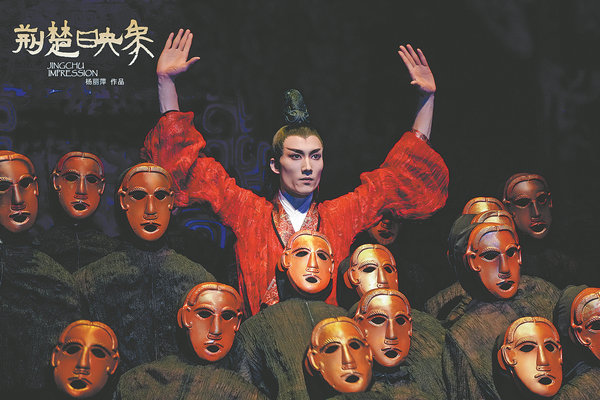
Chu culture's emphasis on creativity, innovation, and introspection has inspired countless artists, writers, and thinkers, both within China and beyond. Modern adaptations and revivals, such as the "Jingchu Impression" dance play, demonstrate the enduring appeal and relevance of Chu culture, as it continues to captivate and inspire audiences around the world.
In conclusion, Chu culture represents a vibrant and dynamic period in Chinese history, characterized by its rich artistic, literary, and philosophical achievements. Its legacy continues to shape and inform contemporary cultural expressions, ensuring that the spirit of Chu culture remains alive and vibrant in the modern world.








